Does your WiFi router really matter? You might think your internet speed depends solely on your service plan, but the truth is, your router plays a huge role in how fast and reliable your connection feels.
If you’re frustrated by slow downloads, constant buffering, or dead zones around your home, your router could be the hidden culprit. The right router can boost your speed, extend your coverage, and handle all your devices without breaking a sweat.
Keep reading to discover why upgrading your WiFi router might be the smartest move you make for smoother streaming, faster gaming, and seamless browsing every day.
You May Like

- VPN SERVER: Archer AX21 Supports both Open VPN Server and PPTP VPN Server
- DUAL-BAND WIFI 6 ROUTER: Wi-Fi 6(802.11ax) technology achieves faster…
- AX1800: Enjoy smoother and more stable streaming, gaming, downloading with…
- CONNECT MORE DEVICES: Wi-Fi 6 technology communicates more data to more…
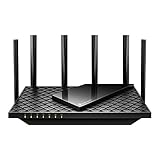
- Tri-Band WiFi 6E Router – Up to 5400 Mbps WiFi for faster browsing,…
- WiFi 6E Unleashed – The brand new 6 GHz band brings more bandwidth,…
- Connect More Devices—True Tri-Band and OFDMA technology increase capacity…
- More RAM, Better Processing – Armed with a 1.7 GHz Quad-Core CPU and 512 MB…

- [Your Global High-Speed Lifeline, Simplified] – Experience the freedom of…
- [Unbeatable 28-Band Global Coverage] – Ditch unreliable connections and…
- [Smart Carrier Switching for Uninterrupted Flow] – Never manually search…
- [High-Value Data, No Bills, No Hassle] – Designed for the cost-conscious…

- 𝐅𝐮𝐭𝐮𝐫𝐞-𝐏𝐫𝐨𝐨𝐟 𝐘𝐨𝐮𝐫…
- 𝐁𝐄𝟑𝟔𝟎𝟎 𝐃𝐮𝐚𝐥-𝐁𝐚𝐧𝐝…
- 𝐔𝐧𝐥𝐞𝐚𝐬𝐡 𝐌𝐮𝐥𝐭𝐢-𝐆𝐢𝐠…
- 𝐍𝐞𝐱𝐭-𝐆𝐞𝐧 𝟐.𝟎 𝐆𝐇𝐳…

- Dual-band Wi-Fi with 5 GHz speeds up to 867 Mbps and 2.4 GHz speeds up to…
- Covers up to 1,000 sq. ft. with four external antennas for stable wireless…
- Supports IGMP Proxy/Snooping, Bridge and Tag VLAN to optimize IPTV…
- Access Point Mode – Supports AP Mode to transform your wired connection…
Router Impact On Speed
Your wifi router plays a key role in your internet speed. It controls how fast data moves between your devices and the internet. A good router improves speed, reduces delays, and keeps connections stable. A poor or old router can slow down your whole network, even if you have a fast internet plan. Understanding how routers affect speed helps you choose the right device for your needs.
Old Routers And Bottlenecks
Old routers use outdated technology that limits speed. They may not support the latest wifi standards like Wi-Fi 5 or Wi-Fi 6. These older models handle less data and have slower processors. This causes bottlenecks, where your devices wait for data to transfer. Even with a fast internet plan, an old router can slow everything down.
Coverage And Dead Zones
Router quality affects how far your wifi signal reaches. Cheap or old routers often create dead zones where the signal is weak or missing. Newer routers use better antennas and features like beamforming to focus signals on your devices. Mesh systems extend coverage by using multiple units, eliminating dead zones in larger homes.
Handling Multiple Devices
Many homes have several devices connected at once. Old routers struggle to manage multiple connections, causing lag and slowdowns. Modern routers use MU-MIMO technology to talk to many devices at the same time. This keeps speed steady and reduces delays, even when many gadgets are online together.

Credit: www.youtube.com
Router Technology Advances
Router technology has changed a lot in recent years. These advances improve your home Wi-Fi experience. Faster speeds, better coverage, and stronger connections are now possible. Understanding these improvements helps you choose the right router.
New standards and smart features make routers more efficient. They handle many devices at once without slowing down. These updates matter for streaming, gaming, and working from home.
Wi-fi 6 And Wi-fi 7 Standards
Wi-Fi 6 is the latest widely available standard. It offers faster speeds and better performance in busy areas. Wi-Fi 7 is coming soon with even higher speeds and lower delays. These standards support more devices at the same time. Upgrading to these can improve your internet experience significantly.
Beamforming Benefits
Beamforming helps routers send Wi-Fi signals directly to your device. This focused signal is stronger and more reliable. It reduces dead spots and improves connection quality. Beamforming is common in newer routers and boosts overall Wi-Fi performance.
Mu-mimo Explained
MU-MIMO stands for Multi-User, Multiple-Input, Multiple-Output. It lets routers talk to many devices at once. Without MU-MIMO, devices take turns using Wi-Fi, which slows things down. This technology reduces lag and keeps your network fast even with many users.
Hardware Matters
The hardware inside a WiFi router greatly affects its overall performance. A strong hardware setup can handle more devices and deliver faster speeds. Poor hardware limits the router’s ability to manage data efficiently. This leads to slower internet and dropped connections. Understanding key hardware components helps choose the right router for your needs.
Processor Power
The processor is the brain of a WiFi router. It controls data flow and manages network tasks. A faster processor can handle multiple devices without slowing down. Routers with weak processors struggle with heavy traffic, causing lag and buffering. Investing in a router with a powerful processor improves speed and stability.
Memory And Performance
Memory, or RAM, allows the router to store and process data quickly. More memory means better multitasking and smoother performance. Routers with low memory may freeze or reboot under heavy load. High memory routers can support more devices and complex functions like gaming and streaming. Good memory enhances the overall user experience.
When To Upgrade
Knowing when to upgrade your Wi-Fi router can save you from many internet troubles. A router that is too old or weak can limit your internet experience. Upgrading at the right time improves speed, stability, and security.
Slow Speeds And Buffering
Slow internet can spoil streaming and browsing. An old router might not handle your internet plan’s full speed. Buffering videos or slow downloads show your router may be outdated. New routers support faster speeds and reduce delays.
Frequent Connection Drops
Connections that drop often can frustrate users. This problem may come from a weak or failing router. New routers offer better signal strength and stable connections. They also handle many devices without losing link.
Security Concerns
Older routers may have weak security features. This makes your network open to hackers and malware. Upgrading ensures you get the latest security updates and protocols. A secure router protects your personal data and devices.
Mesh Systems For Coverage
Mesh systems are a smart choice for improving Wi-Fi coverage in larger homes or offices. They use multiple devices called nodes to spread the signal evenly. Each node connects with others to create one strong network. This setup helps eliminate weak spots and keeps your devices connected as you move around.
Unlike traditional routers, mesh systems work together to cover every corner. They adapt to obstacles like walls and furniture that block signals. This means you get steady internet in rooms far from the main router. Mesh systems suit busy households with many devices and heavy internet use.
Extending Range
Mesh nodes extend Wi-Fi range beyond a single router’s limits. Placing nodes in different rooms boosts signal strength everywhere. The system uses smart routing to send data through the best path. This reduces dead zones and keeps internet fast across large spaces.
Adding nodes is simple. Just plug them in and follow easy setup steps. The mesh system automatically links nodes to build a wide coverage area. You do not need extra wiring or technical skills to improve your Wi-Fi range.
Seamless Connectivity
Mesh systems provide seamless connectivity as you move through your space. Your device switches from one node to another without losing signal. This handoff happens quietly, so streaming or video calls do not drop. It feels like you are connected to a single network everywhere.
The network manages traffic efficiently to avoid slowdowns. It balances the load between nodes to keep speed steady. This way, many devices can connect at once without lag or interruptions. Mesh Wi-Fi offers a smooth online experience, no matter where you are.
Dual-band Vs Tri-band
Choosing between a dual-band and tri-band router impacts your Wi-Fi experience. Both types use different frequency bands to manage wireless traffic. Understanding their differences helps you pick the right router for your home or office.
Reducing Traffic Congestion
Dual-band routers operate on two frequencies: 2.4 GHz and 5 GHz. This separation helps reduce traffic congestion by allowing devices to connect to less crowded bands. Most homes benefit from this setup as it balances load and improves speed.
Tri-band routers add an extra 5 GHz band. This third band creates more channels for devices to use at the same time. It reduces network traffic even more. This is useful in busy homes or offices with many devices.
Performance Differences
Dual-band routers suit moderate internet use and a limited number of devices. They provide good speed for streaming, browsing, and gaming. Tri-band routers deliver higher overall performance by managing more devices without slowing down.
Tri-band routers offer better support for smart homes with many connected gadgets. They keep your internet fast and stable during heavy use. However, tri-band routers usually cost more and may be unnecessary for smaller households.
Premium Routers Worth
Premium routers come with advanced technology that can improve your internet experience. They offer better speed, coverage, and connection stability. Investing in a good router can make a noticeable difference, especially in busy homes or offices with many devices. Understanding the benefits helps decide if a premium router is worth it for you.
Real-world Speed Gains
Premium routers often deliver faster speeds than basic models. They use newer Wi-Fi standards like Wi-Fi 6 to handle more data efficiently. This means quicker downloads, smoother streaming, and faster browsing. Speed gains depend on your internet plan and device compatibility. Older devices may not see much difference, but newer gadgets will benefit more.
Latency Improvements
Latency is the delay before data starts to transfer. Premium routers reduce latency, making online games and video calls smoother. They use technologies such as MU-MIMO and beamforming to connect to devices faster. Lower latency means less lag and better real-time interaction. This is important for gamers and remote workers.
Suitability For Fast Isp Plans
Fast internet plans require routers that can handle high speeds. Premium routers support faster data rates and more simultaneous connections. Using a cheap or outdated router may limit your internet speed. A premium router ensures you get the full speed your ISP offers. It keeps your network future-proof for upcoming upgrades.

Credit: naumanahmad86.medium.com
Credit: www.reddit.com
Frequently Asked Questions
Does It Matter What Wifi Router You Get?
Yes, WiFi routers impact speed, range, stability, and device management. Upgrading improves performance and reduces dead zones. Choose routers with Wi-Fi 6, MU-MIMO, and beamforming for best results.
Is 2.4 Or 5.0 Ghz Faster?
5. 0 GHz is faster than 2. 4 GHz because it supports higher data rates and less interference. However, 2. 4 GHz offers better range.
Do More Expensive Routers Make A Difference?
Yes, expensive routers often improve speed, coverage, and device management. They suit fast internet, large homes, and many devices. Advanced features like Wi-Fi 6, MU-MIMO, and beamforming enhance performance and reduce lag. Upgrading helps if your current router causes slow speeds or poor coverage.
Is It Worth Upgrading A Wifi Router?
Upgrading a WiFi router improves speed, range, and device handling. It reduces buffering and dead zones. Newer models support advanced features like Wi-Fi 6, beamforming, and MU-MIMO for better performance. Upgrading is worth it when your current router slows your internet or struggles with multiple devices.
Conclusion
Choosing the right WiFi router affects your internet experience a lot. Old routers may slow down your speeds and cause dead zones. Newer models improve coverage, speed, and handle many devices well. Features like MU-MIMO and beamforming boost connection quality.
A better router helps reduce buffering and lag during streaming or gaming. It’s wise to match your router with your internet plan and home needs. Investing in a good router means smoother, faster, and more reliable internet every day. Don’t overlook how much your router can impact your online life.