Choosing the right size WiFi router can feel overwhelming. You want a strong, reliable connection that covers every corner of your home or office without wasting money on features you don’t need.
But how do you figure out what size router fits your space and devices perfectly? You’ll discover simple ways to match your router to your home size, the number of devices you use, and the internet speed you want. By the end, you’ll know exactly what to look for, so your WiFi stays fast and steady—no more dead zones or slow downloads.
Keep reading to find the perfect WiFi router size for your needs.
You May Like

- Dual-band Wi-Fi with 5 GHz speeds up to 867 Mbps and 2.4 GHz speeds up to…
- Covers up to 1,000 sq. ft. with four external antennas for stable wireless…
- Supports IGMP Proxy/Snooping, Bridge and Tag VLAN to optimize IPTV…
- Access Point Mode – Supports AP Mode to transform your wired connection…

- Wave 2 Wireless Internet Router: Achieve up to 600 Mbps on the 2.4GHz band…
- OneMesh Compatible Router- Form a seamless WiFi when work with TP-Link…
- MU-MIMO Gigabit Router, 3 simultaneous data streams help your devices…
- Covers up to 1,200 sq. ft. with beamforming technology for a more…

- Dual band router upgrades to 1200 Mbps high speed internet (300mbps for…
- Full Gigabit Ports – Gigabit Router with 4 Gigabit LAN ports, ideal for any…
- Boosted Coverage – Four external antennas equipped with Beamforming…
- MU-MIMO technology – (5GHz band) allows high speeds for multiple devices…

- 𝐍𝐞𝐱𝐭-𝐆𝐞𝐧 𝐖𝐢-𝐅𝐢 𝟕 𝐰𝐢𝐭𝐡…
- 𝐖𝐢𝐝𝐞 𝐂𝐨𝐯𝐞𝐫𝐚𝐠𝐞 𝐰𝐢𝐭𝐡…
- 𝐔𝐥𝐭𝐫𝐚-𝐅𝐚𝐬𝐭 𝟐.𝟓 𝐆𝐛𝐩𝐬…
- 𝐎𝐮𝐫 𝐂𝐲𝐛𝐞𝐫𝐬𝐞𝐜𝐮𝐫𝐢𝐭𝐲…
Credit: www.dell.com
Router Sizes And Coverage
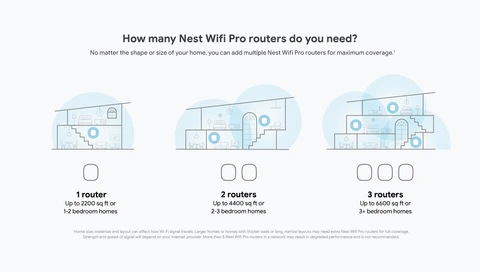
Choosing the right wifi router size affects your internet coverage and speed. Router sizes vary to fit different home layouts and needs. Understanding these sizes helps pick a router that covers your space well without wasting money. Coverage depends on the router’s power and antenna design, plus your home’s size and walls.
Small Routers For Compact Spaces
Small routers suit apartments, studios, or rooms under 1,000 square feet. They are easy to place and often cost less. These routers cover a limited area but work well for fewer devices. Ideal for light browsing, emails, and streaming on one or two devices. Small routers have fewer antennas and lower signal strength.
Medium Routers For Average Homes
Medium routers fit homes around 1,000 to 2,500 square feet. They offer better coverage and handle more devices simultaneously. These routers suit families with multiple phones, tablets, and smart devices. Medium routers have stronger antennas and faster speeds. They reduce dead zones in larger rooms and provide stable connections.
Large Routers And Mesh Systems
Large routers and mesh systems cover homes over 2,500 square feet or multi-story houses. Mesh systems use several units to spread wifi evenly across all rooms. They eliminate dead zones and keep speeds consistent in big spaces. Large routers support many devices and heavy internet use. Perfect for smart homes, gaming, and 4K streaming on many devices.
Assessing Your Home Needs
Choosing the right size WiFi router starts with understanding your home’s needs. This means looking at your home’s size, the number of devices that connect, and your internet speed. These factors help decide what type of router will give you the best coverage and performance. Assessing these needs carefully saves money and avoids slow internet.
Measuring Home Size
Start by knowing the total square footage of your home. Small apartments need less powerful routers than large houses. Multi-story homes may require routers with better range or mesh systems. Walls and floors can block WiFi signals, so consider the layout too. The bigger the area, the stronger the router should be.
Counting Connected Devices
Count all devices that use WiFi, like phones, laptops, smart TVs, and home assistants. More devices need a router that can handle many connections at once. Basic routers work for fewer devices. For many devices, choose a router with higher capacity to keep speeds stable for everyone.
Evaluating Internet Speed
Check your internet plan’s speed. A slow router can limit your internet speed even if your plan is fast. Match your router to your internet speed for best results. High-speed plans need routers that support fast data transfer. This keeps your streaming and gaming smooth without interruptions.
Router Types And Technologies
Choosing the right Wi-Fi router depends on understanding the types and technologies it uses. Different routers offer various features that affect speed, coverage, and device handling. Knowing these can help you pick a router that fits your home size and internet needs.
Single-band Vs Dual-band
Single-band routers work on the 2.4 GHz frequency only. They are cheaper but can be slower and crowded. Dual-band routers use both 2.4 GHz and 5 GHz bands. The 5 GHz band is faster and less busy. Dual-band routers are better for homes with many devices or high internet use.
Mesh Wi-fi Systems Explained
Mesh Wi-Fi systems use multiple units to cover large areas. Each unit works together to create one strong network. This reduces dead zones in big or multi-story homes. Mesh systems are easy to expand by adding more units. They keep your connection steady as you move around the house.
Mu-mimo And Beamforming Benefits
MU-MIMO lets routers talk to many devices at once. This reduces wait time and speeds up connections. Beamforming focuses the Wi-Fi signal directly to your devices. It improves range and signal strength. Together, these technologies boost performance in busy homes with many users.
Key Features To Prioritize
Choosing the right WiFi router means focusing on features that improve your internet experience. These features ensure smooth connections, strong security, and flexible device support. Prioritize these key areas to get the best value and performance from your router.
Quality Of Service (qos)
Quality of Service, or QoS, manages your internet traffic efficiently. It lets you prioritize certain devices or apps. For example, you can give priority to video calls or gaming. This reduces lag and buffering during important tasks. QoS helps balance bandwidth among all users in your home.
Security Features
Strong security features protect your network from hackers and malware. Look for routers with WPA3 encryption for better protection. Built-in firewalls and automatic updates add extra safety. Some routers also offer guest networks to keep visitors separate from your main devices.
Ethernet Port Availability
Ethernet ports allow wired connections, which are faster and more stable than WiFi. Check how many ports the router has. More ports mean you can connect more devices directly. This is useful for desktop computers, gaming consoles, and smart TVs. Wired connections reduce interference and improve speed.
Choosing Between Single Router And Mesh
Choosing between a single router and a mesh network depends on your home size and internet needs. Each option has strengths that suit different living spaces and device counts. Understanding these differences helps you get the best WiFi coverage and performance.
When To Pick A Single Router
A single router works well in small to medium homes. It covers a limited area without signal loss. If your home is under 1,500 square feet, one router usually suffices. It is easy to set up and costs less than mesh systems. For fewer devices and simple layouts, a single router meets most needs.
Advantages Of Mesh Networks
Mesh networks use multiple units to spread WiFi evenly across large areas. They reduce dead zones by creating a strong, consistent signal. Mesh systems allow devices to switch smoothly between units. This is helpful for many users and smart home gadgets. They are scalable; add more units as your coverage needs grow.
Handling Multi-story Homes
Multi-story homes often block signals between floors. A single router may struggle to cover all levels well. Mesh networks are ideal here. Place nodes on each floor for full coverage. This setup avoids weak spots and slow speeds. Mesh also handles walls and obstacles better, keeping your connection steady everywhere.
Compatibility And Isp Considerations
Choosing the right WiFi router involves more than just size and coverage. Compatibility with your Internet Service Provider (ISP) plays a big role in performance. The router must support your ISP’s technology and settings. Otherwise, you may face slow speeds or connection issues.
Matching your router to your internet plan is also important. A high-speed plan needs a router that can handle fast data transfer. Using a slow router with a fast plan wastes your money and limits your internet experience.
Checking Isp Compatibility
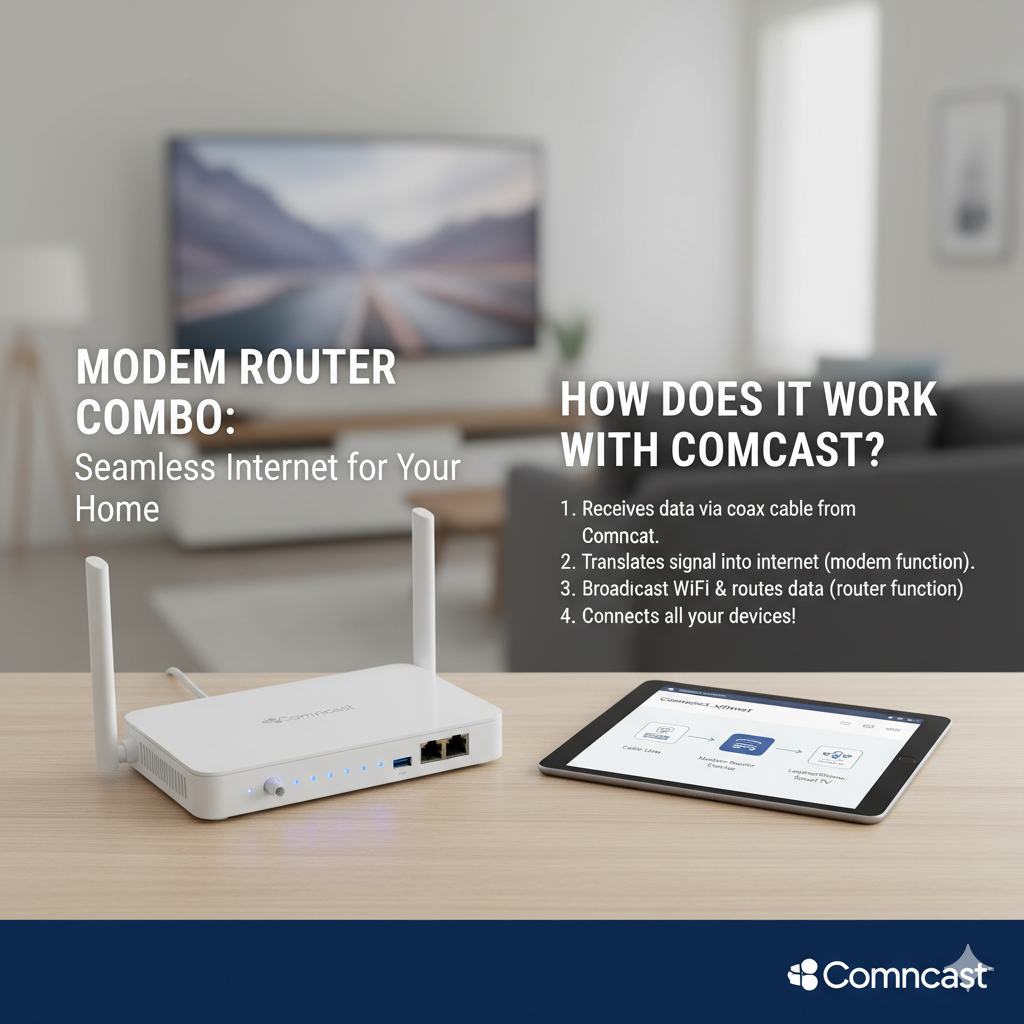
First, verify the type of internet connection your ISP provides. Common types include DSL, cable, fiber, and satellite. Each type may require different router features. Some ISPs supply a modem-router combo. Others need a separate router.
Confirm the router supports your ISP’s authentication method. Examples are PPPoE, DHCP, or static IP. If the router lacks support, it won’t connect properly. Check your ISP’s website or customer support for recommended models.
Matching Router Speed To Internet Plan
Identify your internet plan’s maximum download and upload speeds. Choose a router with speed ratings equal or higher than your plan. Router speed is usually listed in Mbps or Gbps. For example, a 300 Mbps plan needs a router rated at least 300 Mbps.
Buying a router with higher speed capacity prepares you for future upgrades. Also, consider how many devices use the network. More devices require a router with better speed and processing power.
Budgeting For Your Router
Budgeting for your WiFi router requires understanding your needs and how they fit your wallet. Choosing a router is not just about the price tag. The goal is to find one that offers the best balance of features and cost. This helps avoid overspending on unneeded extras or underspending on poor performance. Planning your budget carefully ensures you get a router that lasts and performs well in your home or office.
Balancing Features And Cost
Routers come with many features like speed, coverage, and security. Higher prices often mean more features, but not always better for you. Focus on what you truly need. For example, a small apartment needs less coverage than a large house. Choose routers that match your internet speed and device count. Avoid paying extra for features you won’t use. This keeps your budget on track while getting good performance.
Long-term Value And Upgradability
Think about how long the router will serve you. A cheap router might save money now but cost more later. Better models often support new WiFi standards and more devices. They also get firmware updates for security and speed. Check if the router can handle upgrades or mesh extensions. This protects your investment and keeps your network fast and safe. Spending a bit more upfront can save headaches and expenses in the future.
Credit: medium.com
Quick Router Selection Checklist
Choosing the right WiFi router can feel tricky. A quick checklist helps narrow down your options. Focus on key points like home size, device count, internet speeds, and router features. This approach saves time and ensures solid performance in your space.
Home Size And Device Count
Start with your home’s size. Small apartments need less coverage than large houses. For big homes, consider routers with strong signals or mesh systems. Count devices too. More devices need a router that handles many connections at once. This keeps your network fast and stable.
Required Internet Speeds
Check your internet plan’s speed. Your router should support at least that speed. Faster plans need routers with higher data rates. A slow router can limit your internet speed. Match your router’s speed to your usage for smooth streaming and gaming.
Type And Features Comparison
Compare router types like single-band, dual-band, and tri-band. Dual and tri-band routers reduce interference and boost speed. Look for extra features like parental controls, guest networks, and easy setup apps. These improve your experience and network security.

Credit: www.amazon.com
Frequently Asked Questions
How Do I Determine What Size Router I Need?
Determine your router size by assessing home size, internet speed, and number of devices. Choose mesh for large spaces. Select power and features based on your usage needs.
Does Wi-fi 7 Go Through Walls Better Than Wi-fi 6?
Wi-Fi 7 offers slight improvements in wall penetration over Wi-Fi 6 due to advanced technologies. Signal strength depends on frequency bands and obstacles.
Is 2.4 Or 5.0 Ghz Faster?
The 5. 0 GHz band offers faster speeds but shorter range. The 2. 4 GHz band provides better range but slower speeds. Choose based on your needs for speed or coverage.
How Do I Know Which Router To Get?
Assess your home size, internet speed, and number of devices. Choose a router with adequate coverage, speed, and features like dual-band or mesh Wi-Fi for better performance. Prioritize security, QoS, and compatibility with your ISP to find the best router for your needs.
Conclusion
Choosing the right wifi router size depends on your home and device needs. Small homes with few devices need basic routers. Larger spaces or many devices benefit from bigger routers or mesh systems. Consider internet speed and coverage area carefully.
Also, check features like dual-band and security options. A well-sized router keeps your connection fast and stable. Take time to match your router to your lifestyle. Good wifi makes online activities easier and more enjoyable.